B2B SaaS · LegalTech · Workflow-critical system
Client:
Casedo
Domain:
LegalTech (B2B SaaS)
Role:
Senior Product Designer
Focus:
Casedo Case Management Platform. Live product, legacy codebase
Status:
In market
Link:
Casedo is a LegalTech case management platform used by legal teams to organise, track, and manage large volumes of case documentation. Design decisions in this space directly affect accuracy, efficiency, and trust. I led design improvements across core workflows in an established product, focusing on reducing cognitive load, improving system clarity, and supporting confident, error-resistant use.
B2B
SaaS
Systems thinking
Workflow optimisation
Challenge
My role &
scope
I worked as the lead designer on the project, collaborating closely with engineering and product stakeholders.
My responsibilities focused on:
Reducing friction in high-frequency workflows
Shaping scalable, repeatable governance patterns
Improving information hierarchy and navigation
Designing within a restrictive legacy codebase
In LegalTech, incorrect case organisation isn’t a UX issue, it’s a legal risk. The existing system increased error rates and slowed teams under regulatory pressure. We deliberately avoided a full IA overhaul to minimise disruption in a live legal environment.
What I shipped
Redesigned core case organisation and navigation workflows used daily by legal teams managing large volumes of documentation. I Delivered changes incrementally within a legacy codebase, working closely with engineering to ensure system stability.
Shipped clearer information hierarchy and predictable interaction patterns to reduce cognitive load and error risk.
mproved workflow efficiency in high-frequency tasks, resulting in up to 60% reduction in case-organisation time.
I Delivered changes incrementally within a legacy codebase, working closely with engineering to ensure system stability.
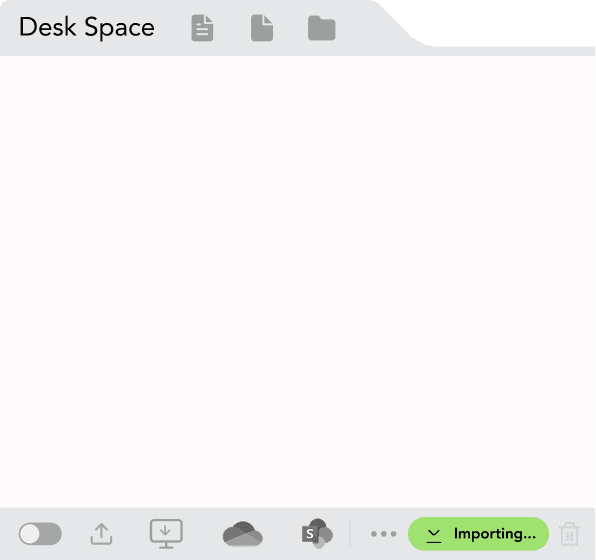
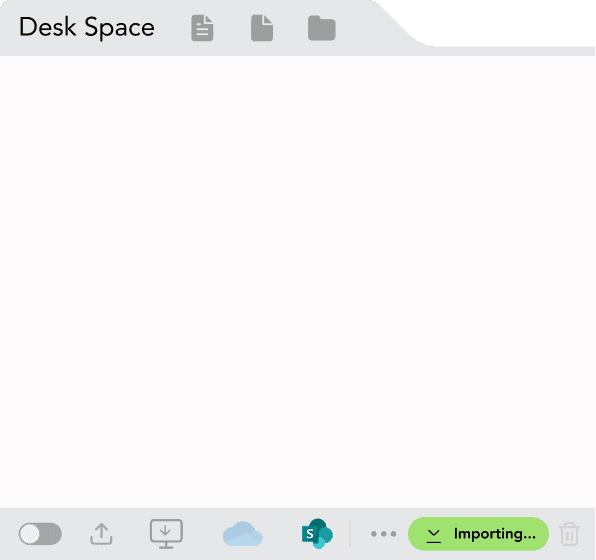
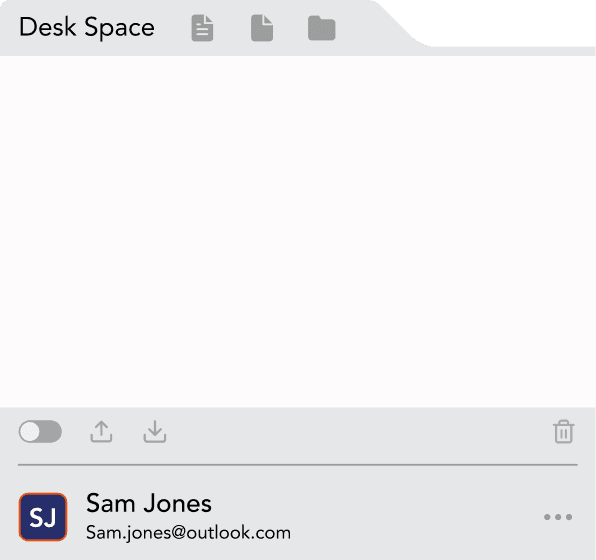
Improving case
organisation
workflows
Designing
within
technical
constraints
Positive stakeholder feedback
Improved confidence in internal tooling
Clearer governance and oversight patterns
Follow on engagement to explore future R&D initiatives
Impact was measured through trust, clarity, and adoption rather than surface-level change.

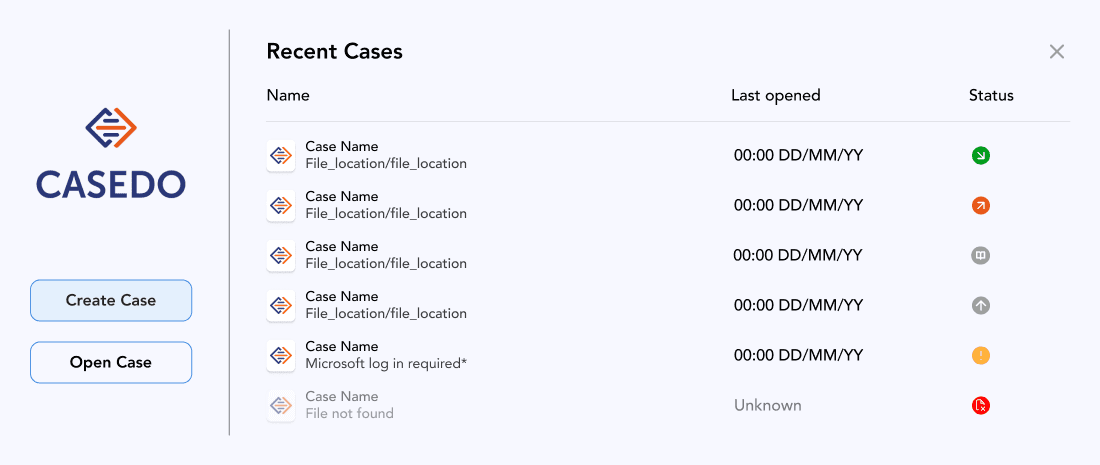



In legal systems, design success is measured less by delight and more by reliability. My approach prioritised predictable interactions, reduced ambiguity, and clear system feedback.
Working within
real constraints
Outcome
Retrospective